From SEO to GEO: The Relevance of Metadata in AI Search
The digital search landscape is undergoing a fundamental transformation. A recent American study shows that by 2025, more than 26% of respondents will already be using ChatGPT to find new products – while Google will only just be above 23%. While traditional SEO strategies were designed for search engines such as Google, AI-driven search is defining new rules.
For companies, this means creating AI-optimised metadata is becoming one of the critical success factors. Especially in the management of product data and digital assets, structured metadata is gaining an entirely new dimension.
Table of Contents
Understanding the New Search Landscape: SEO vs GEO
The paradigm shifts from traditional to AI-driven search requires a new mindset in content production and optimisation. Companies that continue to rely solely on classic SEO strategies risk losing visibility in this new search landscape. Understanding both approaches is essential to developing future-proof metadata strategies.
SEO (Search Engine Optimisation)
SEO focuses on optimising content for traditional search engines. Keywords, backlinks, and technical aspects take centre stage here.
GEO (Generative Engine Optimisation)
GEO, on the other hand, aims to optimise content for AI systems and generative search engines. These systems understand context, semantics, and user intent on a whole new level. While classic SEO relied on keyword density and meta tags, AI systems such as ChatGPT, Perplexity, or the AI Overviews of Gemini in Google Search require a much greater extent of structured, semantically rich data formats.
Why Metadata is Relevant for AI Search
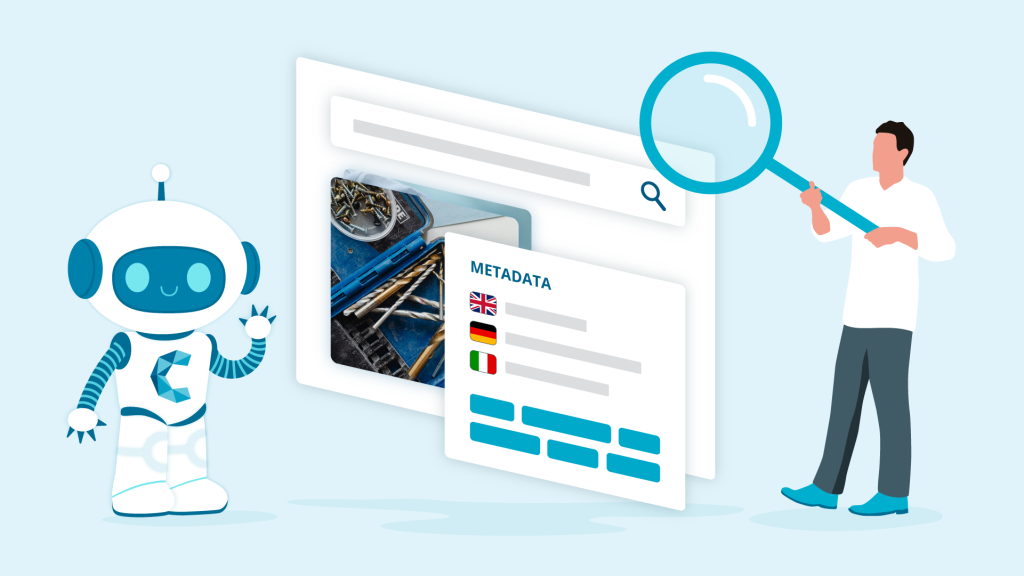
Metadata are structured information about your digital assets – from product images to videos and documents. They function like a digital fingerprint that helps AI systems understand, categorise, and present your content in relevant search queries.
Detailed metadata are therefore a key component of a comprehensive GEO strategy.
Which Metadata Can Be Optimised for AI Search?
The following overview shows which information levels make your assets accessible and discoverable for AI-driven search:
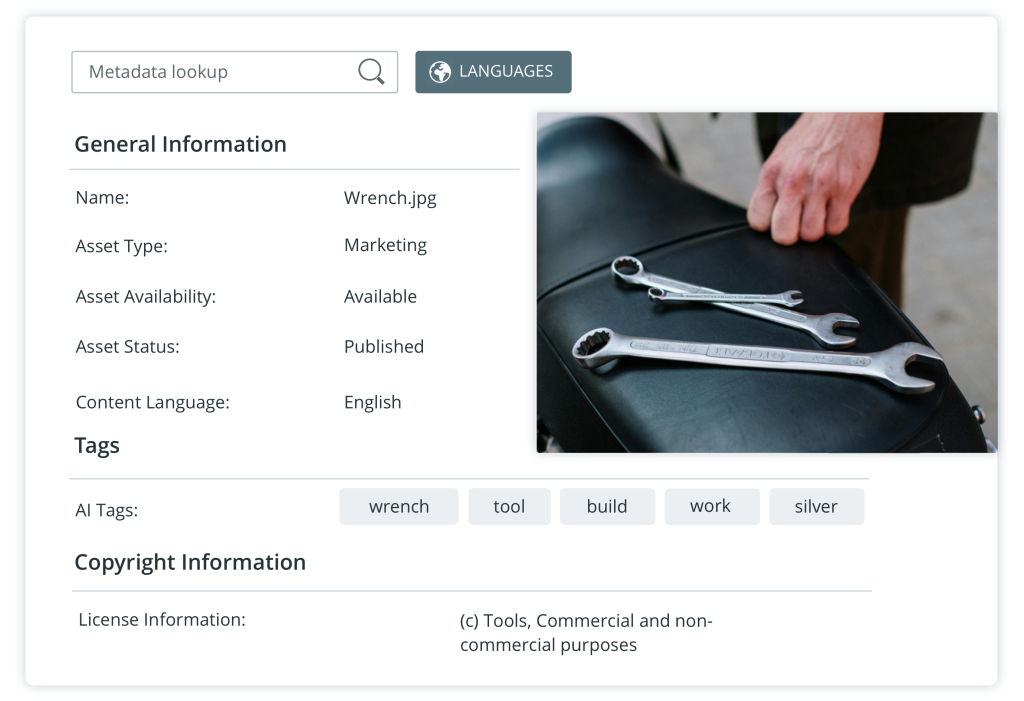
- Technical metadata: file name, file type, file size
- Time-related data: creation date, modification date, author
- Legal information: copyright details, license information
- Content description: keywords, categories, tags
- Contextual data: location, subject, people shown
- Format specifications: language, file formats (JPEG, PNG, MP4)
How Can I Optimise Metadata for AI
Challenges in Metadata Optimisation for AI
The greatest challenge in AI metadata management lies in the opacity of the algorithms. Unlike traditional SEO metrics, the ranking factors of AI systems are often not fully transparent. This “black box” situation makes it difficult for companies to align their optimisation strategies precisely.
Therefore, the optimisation options listed below should be regarded as recommendations rather than guaranteed success factors.
Options for AI Optimisation of Product Data
Successfully optimising metadata for AI systems requires a multi-layered approach that combines technical, content, and strategic aspects. The following measures can help you position your digital assets effectively for AI-driven search:
- SEO basics as foundation: A solid SEO optimisation remains essential to achieve top placements in traditional search engines. This builds the foundation for extended AI optimisation.
- Ensure technical readability: Not all AI crawlers fully understand JavaScript. Use tools such as Screaming Frog for JavaScript content analysis to ensure your metadata is accessible to all AI systems.
- Benefit-driven product descriptions: Create detailed product descriptions including all relevant information and features. Focus on benefits rather than technical functions.
- Structured data: Provide product data in structured formats such as JSON-LD or Schema.org standards, as they are particularly readable and interpretable for AI systems.
- Consistent branding and brand positioning: Develop a clear brand strategy with consistent product messaging. Strategic brand management considerations: How should AI perceive and present your brand? AI systems tend to prefer products from brands that are seen as credible and trustworthy.
- Provide comprehensive product data: Ensure your metadata includes all the information customers are looking for. AI systems prefer assets with complete, detailed metadata. The more relevant information you provide, the better AI can present your content in suitable contexts.
- Prompt optimisation: Analyse which questions your customers frequently ask, and make sure your product information answers them directly. Revise your product descriptions to address the most important customer concerns.
DAM Systems as Enablers
Implementing optimised metadata for AI search requires the right technological foundation. Digital Asset Management systems serve as a central hub that consolidates and automates all data. Without metadata in a powerful DAM system, many of the optimisation possibilities described remain only theoretical concepts.

What is a DAM?
Digital Asset Management (DAM) systems are central platforms for managing, organising, and distributing digital content. They serve as a strategic foundation for effective metadata management and form the backbone of successful metadata optimisation strategies.
CELUM’s DAM Functions for Successful Metadata Management
CELUM’s DAM offers specialised features that help you systematically manage your company’s metadata and optimise it for AI systems. These integrated tools automate time-consuming processes and provide the technical basis for successful metadata management.
- Customisable metadata taxonomy: Adapt the metadata taxonomy to your company’s specific needs in order to optimise metadata mapping. This allows you to define industry-specific categories and classifications that match your products and workflows.
- AI-assisted tagging functions: Intelligent algorithms automatically suggest relevant tags and categories based on image content and existing metadata.
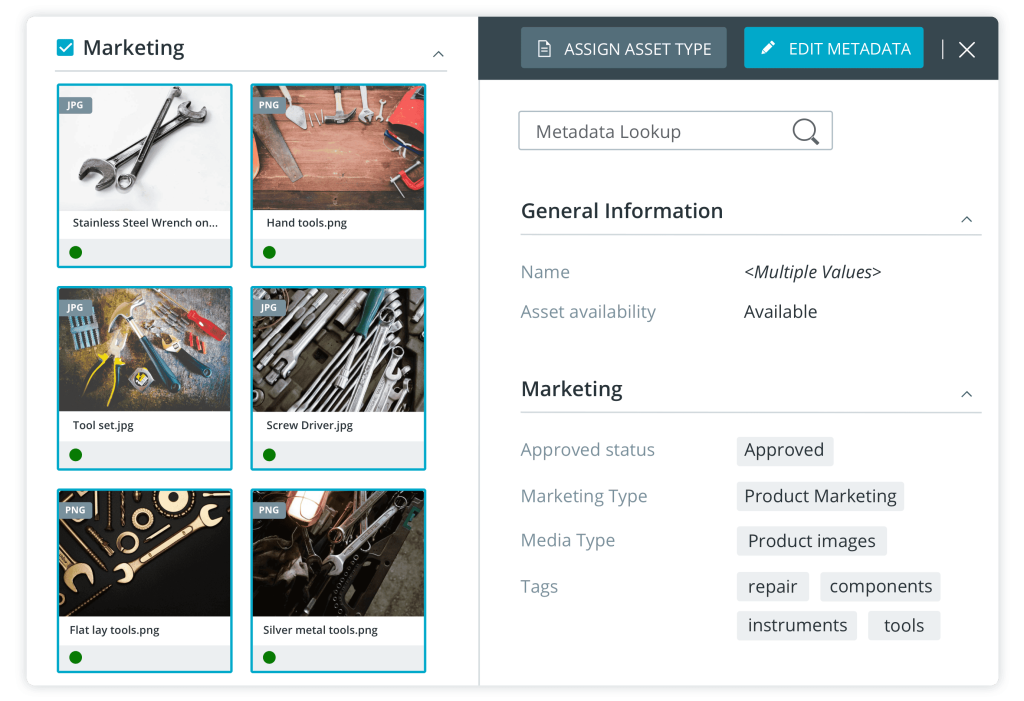
- Batch processing for metadata: Edit the metadata of multiple assets simultaneously – a crucial advantage for companies with large asset libraries.
- Multilingual metadata management: Update metadata in multiple languages at once – particularly relevant for internationally active companies that need optimised product data for different markets.
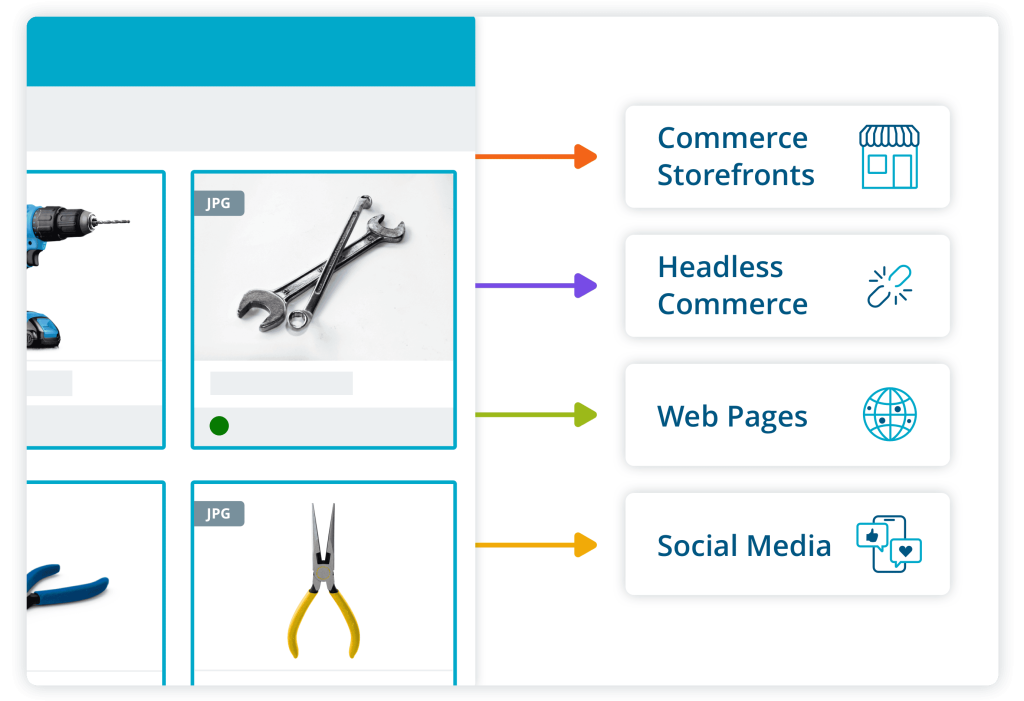
- Cross-system availability: Metadata is made available in every connected system, ensuring seamless integration into your existing IT landscape.
Summary: Optimising Metadata in AI Search
The future belongs to companies that strategically optimise their metadata for AI systems. With digital asset management and a well-thought-out strategy, your metadata becomes a powerful driver of digital visibility.