Companies today need to deliver their assets across countless channels — and traditional DAM systems are reaching their limits. Headless DAM decouples content management from the end-user presentation, enabling flexible asset delivery via APIs. Find out how Headless DAM works and who it’s best suited for.
Table of Contents
What is Headless DAM
Headless DAM refers to a modern architecture for Digital Asset Management systems, where the management of assets (backend) is separated from their presentation (frontend). The term “headless” literally means “without a head” — in other words, without a predefined presentation layer.
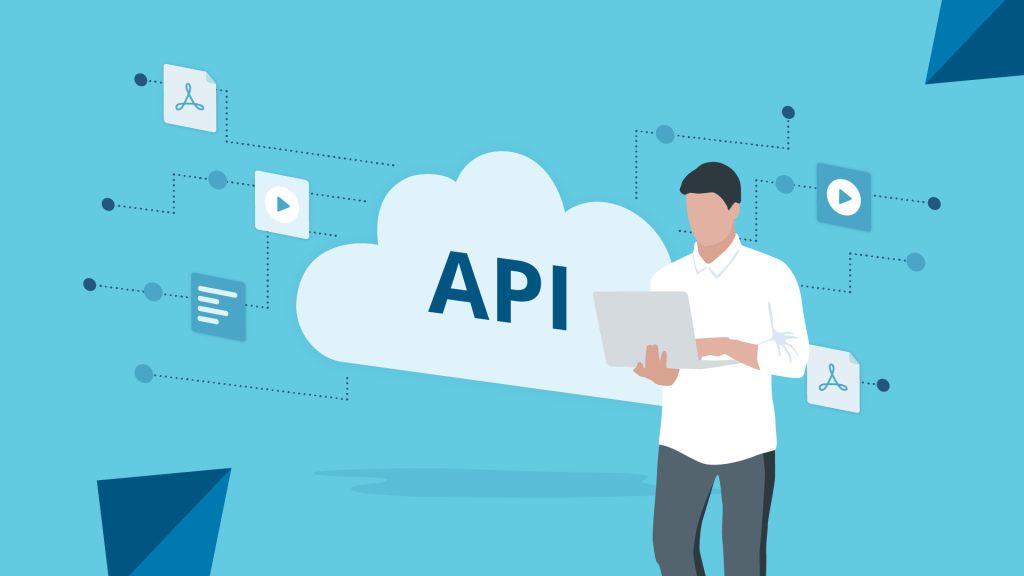
Unlike traditional DAM systems, which usually include a fixed interface for asset display, a headless DAM provides content through Application Programming Interfaces (APIs). The actual presentation is handled by separate frontend components or other systems that access the assets via these APIs.
The concept is similar to Headless CMS platforms but focuses specifically on managing and delivering rich media assets such as images, videos, documents, and other file types.
How does Headless DAM work?
A headless DAM is based on a clear separation of system layers. At its core is the backend, where all digital assets are centrally stored, organised, and enriched with metadata. This is where all the typical DAM processes take place: versioning, digital rights management, tagging, workflows, and asset search.
Communication between this backend and the various output channels happens exclusively via APIs. These interfaces allow developers to retrieve, filter, and request assets in different formats as needed.
This architecture enables a single DAM system to supply, for example, an e-commerce platform, a native iOS app, a customer portal, and social media channels simultaneously — each with perfectly formatted assets. The native frontend components ensure optimal presentation and a seamless user experience.
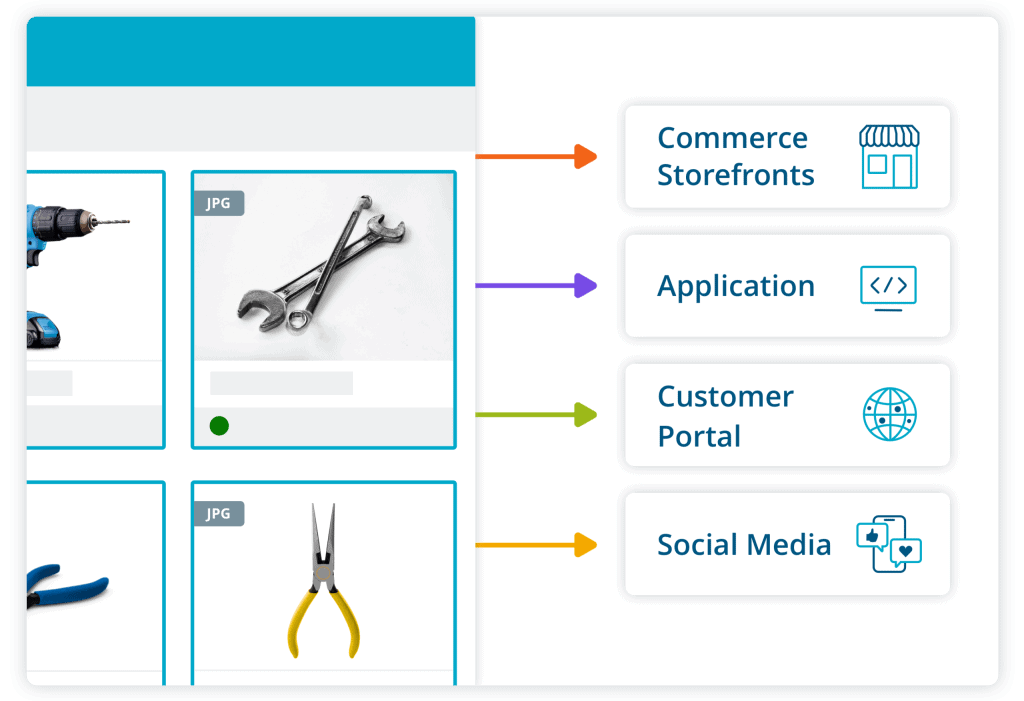
Traditional DAM vs. Headless DAM: The differences
The main difference between traditional and headless DAM systems lies in their architecture — and therefore in their flexibility.
Traditional DAM systems
Traditional DAM solutions are designed as monolithic systems. They include a fixed, integrated user interface for managing and publishing assets. The presentation layer is tightly linked to the backend, often relying on templates or prebuilt modules.
If you want to embed assets on a website, you typically use plugins, widgets, or embed codes. These systems work well for classic use cases but reach their limits when assets need to be distributed across multiple channels or displayed in highly customised formats.
Headless DAM systems
Headless systems, on the other hand, deliberately avoid a predefined presentation layer. They provide assets and functionality through APIs, giving developers complete freedom in how and where content is displayed. Every touchpoint can be individually designed without being constrained by the DAM system’s interface or structure.
Why should I use Headless DAM?
Headless DAM offers a range of powerful advantages, especially in complex digital ecosystems:
- True omnichannel capability: The biggest benefit is seamless asset delivery across any number of channels. Whether website, mobile app, smartwatch, smart TV, IoT device, digital signage, or voice assistant — all touchpoints access centrally managed assets via the same API. This ensures consistency and drastically reduces management effort.
- Flexibility and independence: You’re not tied to a specific frontend technology. If a new platform or channel emerges, the DAM system doesn’t need to be changed — just add a new application that connects via the existing API.
- Faster time-to-market: Different teams can work in parallel. While assets and metadata are managed in the backend, developers can build and deploy frontend applications at the same time. New channels can be launched faster since only a single API integration is required.
- Personalisation: Thanks to the API-based architecture, assets can be delivered dynamically and contextually. Depending on user behaviour, device type, or geographic location, different asset variations can be displayed.
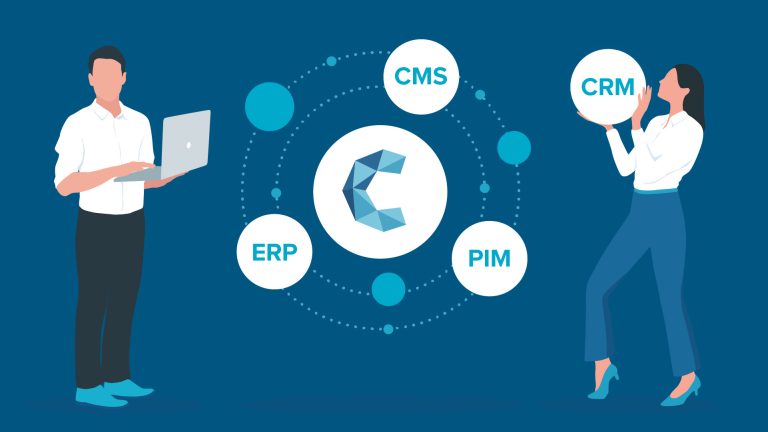
- Integration with existing systems: Headless DAM integrates seamlessly into complex tech stacks — whether e-commerce platforms, CMS, PIM systems, or marketing automation tools. The API-first approach turns the DAM into a flexible cornerstone of your digital ecosystem.
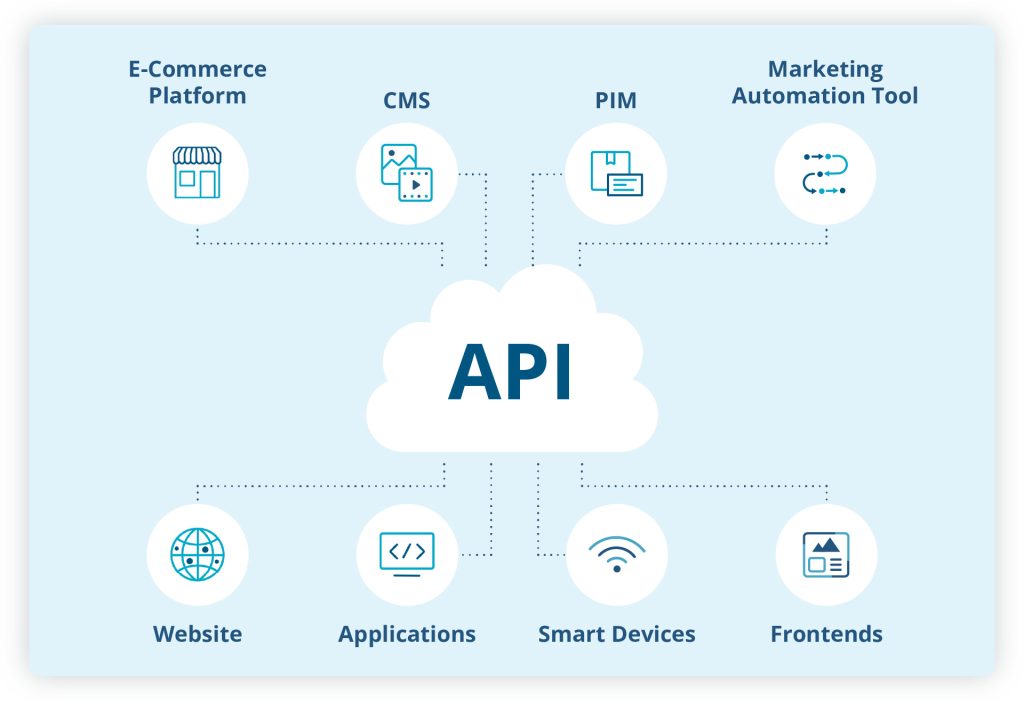
Who is Headless DAM for?
Headless DAM isn’t the right choice for everyone, but it’s ideal for certain types of organisations and use cases:
- E-commerce companies with multiple sales channels benefit hugely from Headless DAM. If you sell products via websites, mobile apps, marketplaces, social commerce, and in-store digital signage, you need a single source for product images, videos, and other assets that remain consistent across all channels.
- Multi-brand organisations that manage several brands under one roof can maintain all assets centrally while delivering brand-specific variations. Each brand can have its own frontend connected to the same asset pool.
- International enterprises with country-specific websites or apps can leverage the flexibility of Headless DAM to make regional adjustments while keeping assets centrally managed. This allows for localised content that reflects regional regulations, languages, and cultural nuances.
Headless DAM in summary
Headless DAM represents the future of Digital Asset Management for businesses with complex, cross-channel requirements. By separating content from presentation through an API-first architecture, it provides the flexibility that modern digital ecosystems demand.
Companies can centrally manage their assets and deliver them across any number of touchpoints — consistently, efficiently, and in a future-proof way.
CELUM DAM was built from the ground up as an API-first, headless hub — designed for every system that needs content or can provide contextual or usage data. Its powerful APIs enable complete headless integration into your existing tech landscape.
Whether you already have a clear headless strategy or still need guidance in defining one, CELUM combines the flexibility of a headless architecture with the user-friendliness of a mature DAM platform. This lets you enjoy the best of both worlds and future-proof your digital ecosystem.